
Payday Super: What Australian Businesses Need to Know Before 1 July 2026
Running a business means constantly balancing cash flow, payroll, compliance obligations, and employee expectations. From 1 July 2026, another important change will be added to that list — Payday Super.
While the new rules may require some adjustments to your payroll processes, they are designed to ensure employees receive their superannuation contributions sooner and help reduce Australia’s unpaid superannuation gap.
What is Payday Super?
Currently, most employers pay superannuation guarantee (SG) contributions quarterly. Under the new Payday Super rules, employers will need to pay super contributions much more frequently.
Starting from 1 July 2026, superannuation contributions must be paid at the same time employees are paid their wages.
Employers will generally have 7 business days after payday to ensure contributions are received by the employee’s super fund.
Why is the Government Making This Change?
The goal is simple: make sure workers receive their superannuation entitlements sooner and reduce the billions of dollars in unpaid super currently owed to employees.
By aligning super payments with payroll, employees can better track their retirement savings and employers can avoid large quarterly payment obligations.
What Happens if Super is Paid Late?
If super contributions are not paid on time, employers may become liable for the Superannuation Guarantee Charge (SGC).
This can include:
- The unpaid super contribution
- Interest charges
- Administration fees
- Additional penalties if the liability remains unpaid
One positive change is that SGC amounts relating to pay periods from 1 July 2026 onwards will generally become tax deductible. However, any additional penalties will remain non-deductible.
Key Changes Businesses Should Be Aware Of
1. Super Must Be Paid Every Pay Cycle
Whether you pay employees weekly, fortnightly, or monthly, super contributions will now need to be processed alongside payroll instead of quarterly.
2. New “Qualifying Earnings” Definition
A new term called Qualifying Earnings (QE) will be introduced.
Employers will generally need to contribute 12% of QE to their employees’ super funds within 7 business days of paying those earnings.
Although the terminology is changing, for most businesses the calculation will be similar to how super is currently calculated.
3. Reporting Through Single Touch Payroll (STP)
Businesses will also need to report QE and superannuation guarantee amounts through STP.
For many employers, this should be a relatively small change if they already use STP reporting.
The Important Transition Period
The period between 1 July 2026 and 28 July 2026 will be particularly important.
This is because the final quarterly super payment for the April–June 2026 quarter is still due on 28 July 2026.
During this transition period:
- Contributions may first be allocated to any outstanding April–June 2026 super obligations.
- New Payday Super contributions may not be applied where you expect if earlier liabilities remain unpaid.
- This could potentially create accidental super shortfalls.
For this reason, businesses should consider ensuring their April–June 2026 super obligations are fully paid before the new system begins.
Changes to Super Clearing Houses
Most employers already use a super clearing house to process contributions electronically.
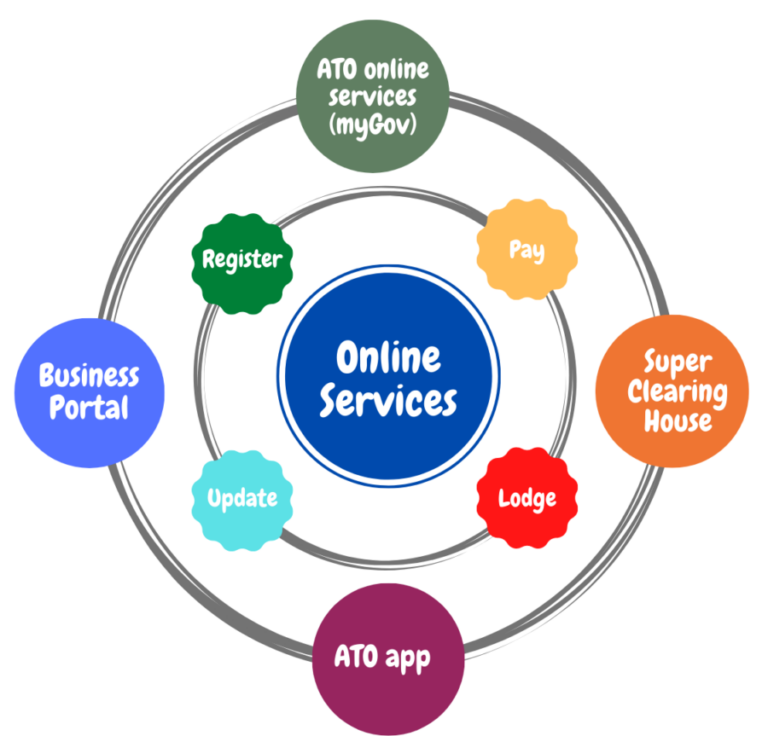
However, the ATO Small Business Super Clearing House (SBSCH) will close on 30 June 2026.
Businesses currently using the SBSCH should:
- Download historical contribution records before it closes.
- Review alternative commercial clearing house options.
- Ensure their payroll software integrates with their chosen provider.
New SuperStream Technology
The ATO will introduce SuperStream Version 3 alongside Payday Super.
The updated system is expected to improve processing times and may even allow same-day processing of super contributions.
It will also include a new verification process that helps employers confirm employee super fund details when onboarding staff or when employees change funds.
What About Family Businesses and Related Employees?
For businesses with related-party employees who choose to use a Self-Managed Super Fund (SMSF), the existing exemptions remain unchanged.
These contributions can still be paid directly to the SMSF without using a clearing house.
However, contributions for other employees will generally still need to be processed electronically through a clearing house.
How to Prepare Now
While July 2026 is still a couple of weeks away, preparing early can make the transition much smoother.
Review Your Payroll Software
Check whether your payroll platform supports Payday Super requirements and automatic super processing.
Also make sure you have notifications in place for rejected or returned contributions.
Understand Your Pay Cycles
Map out your payroll schedule and identify the 7-business-day payment deadlines that will apply after each pay run.
Train Your Payroll Team
Anyone involved in payroll should understand the new requirements and how late payments could impact the business.
Improve Employee Onboarding
New employees will have a slightly longer timeframe before their first super payment is due, giving employers extra time to collect super fund information.
Make sure your onboarding process includes obtaining super fund details as early as possible.
Create a Process for Returned Contributions
If a contribution is rejected by a super fund, employers may receive an extended deadline to correct the issue.
Having clear internal procedures can help avoid missed deadlines and penalties.
Final Thoughts
Payday Super represents one of the biggest changes to employer superannuation obligations in recent years.
Although it will require businesses to adapt their payroll processes, the changes are intended to improve compliance, reduce unpaid super, and provide employees with faster access to their retirement savings.
Businesses that review their systems, processes, and payroll procedures now will be in the best position to manage the transition smoothly and avoid unnecessary penalties when the new rules take effect on 1 July 2026.
Call us at 07 34830100 or send a message if we can help